
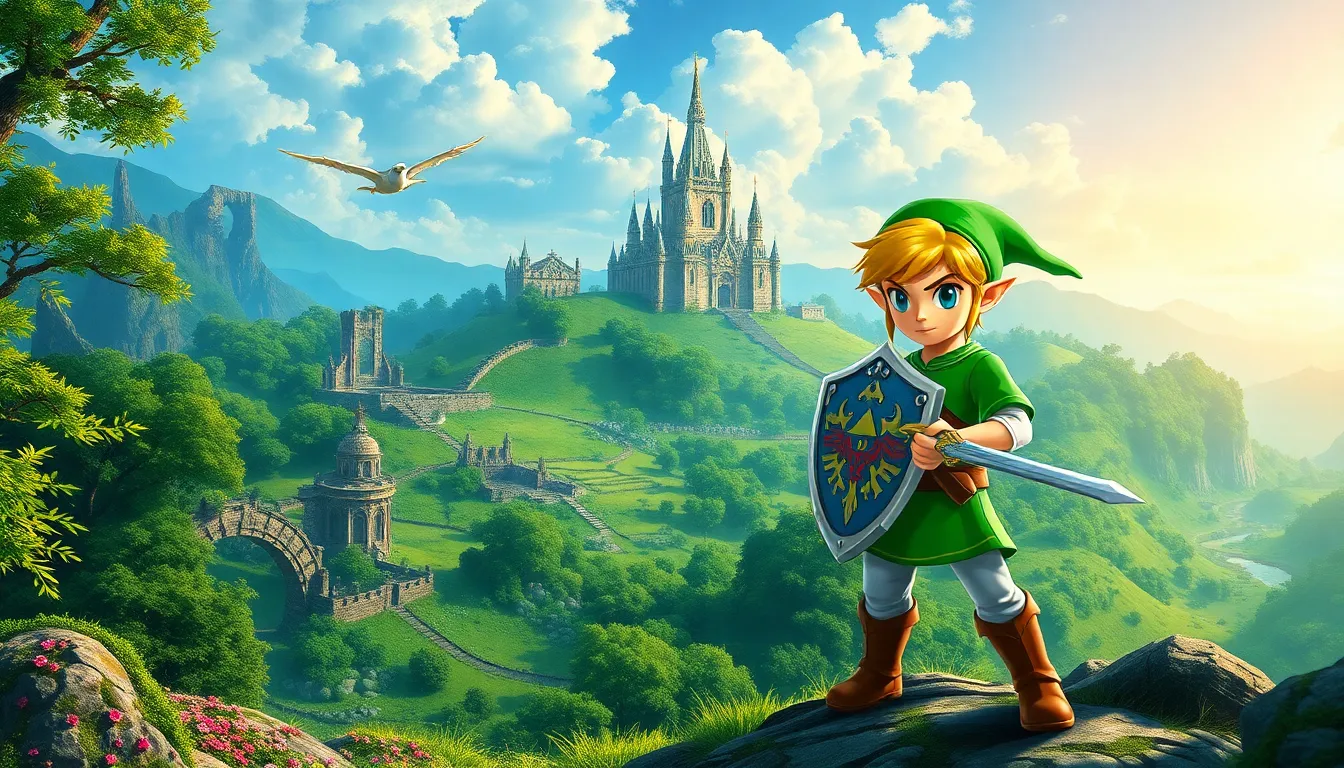
The world of Zelda is a treasure trove of adventure, but did you know it’s also packed with hidden references that’ll make any fan chuckle? From cheeky nods to pop culture to clever Easter eggs tucked away in the vast landscapes of Hyrule, these little gems add an extra layer of fun to the gaming experience.
Overview of Zelda Series
The Zelda series, created by Nintendo, spans several decades, beginning with “The Legend of Zelda” in 1986. This action-adventure franchise features Link, a hero tasked with rescuing Princess Zelda and defeating the evil Ganon. Players explore vast kingdoms, solve intricate puzzles, and uncover hidden secrets throughout their journeys.
Each installment introduces new gameplay mechanics, such as item upgrades, magical spells, and various modes of exploration. Titles like “Ocarina of Time” and “Breath of the Wild” stand out for their revolutionary design, combining open-world exploration with rich storytelling. Game environments often teem with hidden references and subtle nods to earlier games, creating a tapestry of lore that enriches the player experience.
Characters, enemies, and quests often reappear, crafting continuity amidst innovation. Unique power-ups, like the Master Sword or the Triforce, frequently symbolize the eternal struggle between good and evil. Fans eagerly search for Easter eggs that connect games, noting how certain locations or item uses hint at past adventures.
Cultural influences abound, with references to mythology, folklore, and even contemporary media. Such elements engage players, inviting them to uncover connections that deepen their immersion in the game’s world. Therefore, the series remains not only a pioneer in gaming but also a beloved source of nostalgia for many.
Each title contributes to the evolving world, ensuring the legacy persists for new generations of gamers. Game design reflects both simplicity and depth, appealing to casual players and seasoned veterans.
Notable Hidden References
Zelda is rich with hidden references that deepen the player’s experience. These nods to classic games and pop culture add exciting layers to the series.
Classic Games Inspirations
Zelda draws inspiration from classic games that shaped the industry. Elements from “Adventure” influenced dungeon design and exploration mechanics. Characters often echo those from retro titles, establishing connections across gaming history. An example appears in “Link’s Awakening,” where players encounter a familiar chain chomp-like creature. Game references enrich the Zelda narrative, creating an engaging tapestry that honors its predecessors.
Pop Culture Allusions
Zelda contains numerous allusions to contemporary media, making it resonate with a wider audience. Quirky dialogue and character names frequently nod to films and literature, infusing humor into gameplay. For instance, “Ocarina of Time” features a character called “Tingle,” who resembles a fairy-like character from various folklore. Even the music incorporates familiar motifs, tying the game to broader cultural contexts. Such allusions enhance the charm of Zelda, intertwining gaming and popular culture seamlessly.
In-Game Easter Eggs
Zelda games are packed with hidden references and clever nods that delight players. Discovering these Easter eggs enhances the gaming experience.
Hidden Locations
Hidden locations often reveal secrets and surprises. In “Breath of the Wild,” players can find the secret Korok Forest, accessible only through a series of puzzles. Another notable spot is the infamous Great Plateau, where early game exploration leads to mystical encounters. Each location contains lore-infused items or unique enemies, enriching the overall narrative. Players who thoroughly explore often find themselves rewarded with powerful upgrades, making the adventure even more satisfying.
Secret Items and Achievements
Secret items and achievements add another layer to the gameplay. For example, the “Master Sword” in “Ocarina of Time” requires players to demonstrate skill in overcoming various challenges. Acquiring special armor sets, like the Fierce Deity set in “Majora’s Mask,” offers significant boosts for combat. Unique achievements, such as collecting all the Korok seeds, unlock hidden rewards, further incentivizing exploration. These elements cultivate a deeper connection to the game, ensuring every moment spent is filled with excitement and discovery.
Character Connections
The Zelda series features a rich tapestry of characters, including both playable and non-playable figures. These character connections deepen narrative engagement and enhance gameplay experiences.
Non-Playable Characters
Non-playable characters frequently add depth to the Zelda universe. NPCs like the Great Deku Tree provide lore essential to understanding the game’s world. Characters such as those found in the charming village of Kakariko serve unique roles, offering quests and valuable items. The various sages frequently guide Link throughout his journeys, enhancing gameplay mechanics and story arcs. Their interactions reveal hidden secrets, encouraging exploration and enriching player immersion. Each character’s dialogue often includes subtle references to other elements within the franchise, creating a cohesive network of relationships across the series.
Cameos from Other Games
Zelda games include various cameos from other Nintendo titles. Link’s appearance in the “Super Smash Bros.” series exemplifies cross-game promotion. Players often spot characters like Kirby and Samus, who interact within the world of Zelda. Subtle nods, such as the appearance of the Master Sword in “Mario Kart,” reinforce the interconnected nature of Nintendo franchises. Secret areas sometimes feature familiar faces from other games, enhancing nostalgia for players. These cameos not only serve as Easter eggs but also connect the expansive universes of various beloved titles, further solidifying the Zelda franchise’s place in gaming history.
The hidden references within the Zelda series create a rich tapestry that enhances the gaming experience. These clever nods not only pay homage to gaming history but also invite players to explore deeper connections with the narrative and characters. By intertwining pop culture elements and nostalgic inspirations, Zelda captivates both new and seasoned fans.
As players embark on their quests, these Easter eggs serve as delightful rewards for exploration and curiosity. The intricate design and storytelling continue to solidify Zelda’s place in gaming culture, ensuring its legacy thrives for years to come. Each hidden gem discovered adds to the magic of the adventure, making every journey through Hyrule a unique experience.

